
Periodontal (Gum) Disease
Protecting Your Smile and Your Systemic Health
Periodontal disease is a chronic bacterial infection that targets the gums and the bone supporting your teeth. Often called a "silent" disease, it can progress without pain until your oral health is at serious risk. At The Periodontal Implant Institute, we specialize in identifying, treating, and reversing gum disease to save your natural teeth.

The Stages of Periodontal Health
Understanding the progression of infection is the first step toward effective treatment.
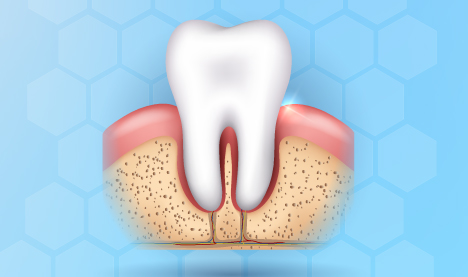
Healthy Gums
The Goal: Healthy gums are firm, pink, and do not bleed when you brush or floss. The gum tissue fits snugly around the teeth, and the underlying bone is strong and intact. Maintaining this stage requires regular professional cleanings and diligent home care.
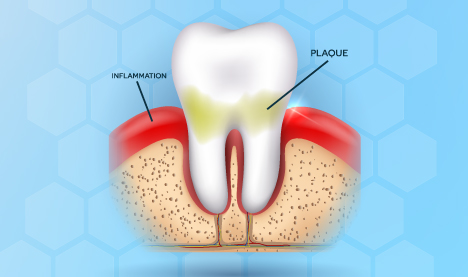
Gingivitis (Mild)
The Early Warning: This is the earliest stage of gum disease, characterized by red, swollen gums that bleed during brushing or flossing. Because the bone is not yet affected, gingivitis is completely reversible with professional treatment and improved oral hygiene.
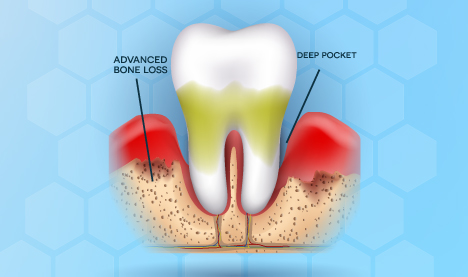
Periodontitis (Advanced)
The Critical Stage: If left untreated, gingivitis evolves into periodontitis. Plaque spreads below the gum line, creating "pockets" that trap infection. Your body’s immune response begins to break down the bone and connective tissue holding your teeth in place, which can lead to tooth loss.
Understanding Your Risk
Gum disease is often painless in its early stages. Monitoring these factors is essential for your overall health.
Symptoms to Watch For
Look for these early warning signs of infection:
Bleeding Gums
Especially during brushing or flossing.
Persistent Halitosis
Chronic bad breath that won't go away.
Receding Gums
Teeth appearing "longer" than before.
Shifting Teeth
New gaps or changes in your natural bite.
The Systemic Connection
Oral bacteria can enter the bloodstream, increasing the risk for:
Heart Disease & Stroke
Nearly 3x higher risk of cardiovascular events.
Diabetes
Infection makes blood sugar harder to manage.
Pregnancy
Higher risk of preterm or low-birth-weight scans.
Respiratory Issues
Linked to infections like pneumonia or COPD.
Common Risk Factors
Beyond plaque, these factors can accelerate bone loss:
Genetics
30% of the population is predisposed to gum disease.
Tobacco Use
Smoking speeds up bone loss and slows healing.
Hormonal Changes
Sensitivity spikes during pregnancy or menopause.
Stress & Meds
Factors that weaken your immune response.
Don’t Wait Until It Hurts!
Early intervention is the key to avoiding surgery and tooth loss. Our board-certified specialists, Dr. Waleed and Dr. Carpio, use advanced diagnostics to catch infection in its earliest stages.